
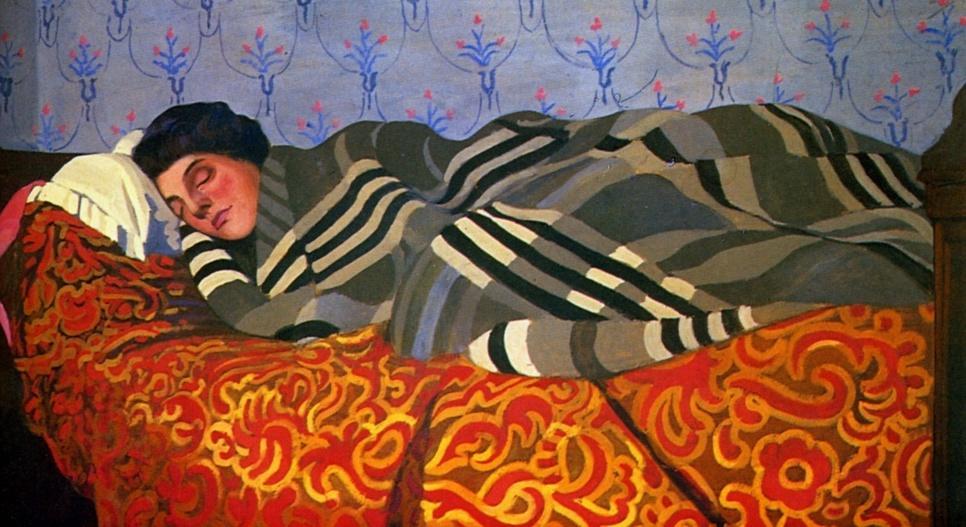
The quality of sleep is such an important part of mental health, but it’s often overlooked for more exciting things.
8 hours of sleep?
The first thing patients often tell me is that they don’t get a full 8 hours. Our culture really glamorizes 8 hours as ideal. But that is only what scientists currently believe an “average” person needs. Some people genetically don’t need that much and some people need a little more. It’s more important to listen to your body and get only the sleep you need to feel good and function well. Don’t worry or feel guilty if for you that’s 5 or 10 hours. As we age, people’s sleep patterns gradually change. So even if you were a solid 8-hour person in your 20s by the time we hit our 70s most people need, and get, significantly less sleep.
It’s more important to get a high quality 5 hours rather than lay in bed and toss and turn for 8.
Chronic sleep loss:
Chronic sleep loss and sleep pattern changes can cause depression and anxiety to worsen acutely. We see this frequently with our patients who, for instance, have jobs with tough schedules. We also see this in new moms. Postpartum depression has been shown to be partly alleviated by 3 days of good sleep – so if you can get a night nanny or a friend to help for even a few days, it can be a lifesaver! We wrote about a new medication for postpartum depression earlier this year – the company’s own study showed that hospitalizing the control group patients for the same three days as the study group made almost as much difference in the mood symptoms as giving them the new drug. It was the time to rest without the constant disturbance of the baby that alleviated their baby blues the most!
Sometimes patients complain that they get no sleep, or no sleep without medications. I encourage patients who think they are getting no sleep at all to invest in a watch like the apple watch that can track sleep. After many hours of wakefulness most people will inadvertently have microsleeps and many patients find that although they aren’t getting great sleep the tracking devices show that they are getting more than they originally thought. Tracking sleep can set your mind at ease from worrying about not getting any sleep and can help you sleep!
Medications for sleeping:
Sleep aid medications like benzodiazepines, alcohol, and Ambien are often a first remedy for poor sleep. Not only are many of these medicines highly addictive but what most people don’t realize is that they also decrease sleep quality (and they appear to make ketamine treatments less effective)! It has been shown repeatedly that benzodiazepines and alcohol decrease REM sleep and disrupt sleep cycles. So even if it’s easier to fall asleep with these drugs, any sleep you do get after may be poor and not restorative. Another danger is that all of those medications can cause people to do and say things in their sleep that they don’t remember and have little control over – like sleep driving, sleep walking and obviously this can be dangerous! And, unfortunately, when you stop taking those medicines getting to sleep naturally may be even harder for a period of weeks. But, fortunately, there are many ways to improve your sleep without alcohol and Ambien.
Easy (and not so easy) ways to improve sleep:
- Exercise for at least 30 minutes early in the day.
- Avoid caffeine either after lunch or completely.
- Avoid nicotine within 2 hours of bedtime or give it up completely.
- Avoid eating within 2 hours of bedtime.
- Avoid screen time within 2 hours of bedtime.
- Avoid screens in the bedroom.
- Do establish a routine and try to go to sleep and wake up at the same times each day.
- Do find a comforting ritual to use to let your body know it’s time to wind down – like a shower and a brief time of journaling or mindfulness or meditation or prayer.
- Do keep a worry book by the bedside to write them down and deal with them later
- Do find music or white noise or a “sleep story” to listen to for relaxation and to drift off to sleep
- Do try non-addicting sleep aids for the occasional time when sleep is still difficult like chamomile, valerian, melatonin, magnesium or benadryl.
- Do get out of bed in the morning when you wake up. Spending time in bed awake can cause your body to forget what bed is for and make it more difficult to go to sleep.
- Do spend time in the sunlight throughout the day so that your body’s circadian rhythms can be realigned correctly. Just like your body tells you when to eat, it also has rhythms to tell you when to sleep.
- Do keep your bedroom very dark and cold and quiet and calming.
- Avoid studying or exercising or working from your bed or bedroom.
- Do not be afraid to change your life if you have a job that requires sleep loss or schedule changes like medical resident, airline pilot or flight attendant.
- Do look into other causes of sleep problems like sleep apnea, snoring, or other health issues like anemia, hyperthyroidism, and adrenal disorders. Seek help from a professional if needed.
An Important Disclaimer: The information in this and other blog posts represents our informed opinion or the opinion of others, and does not constitute medical advice and should not be relied upon to make decisions regarding medical care. To address the specific details of your medical conditions and treatments please speak with your doctors.