
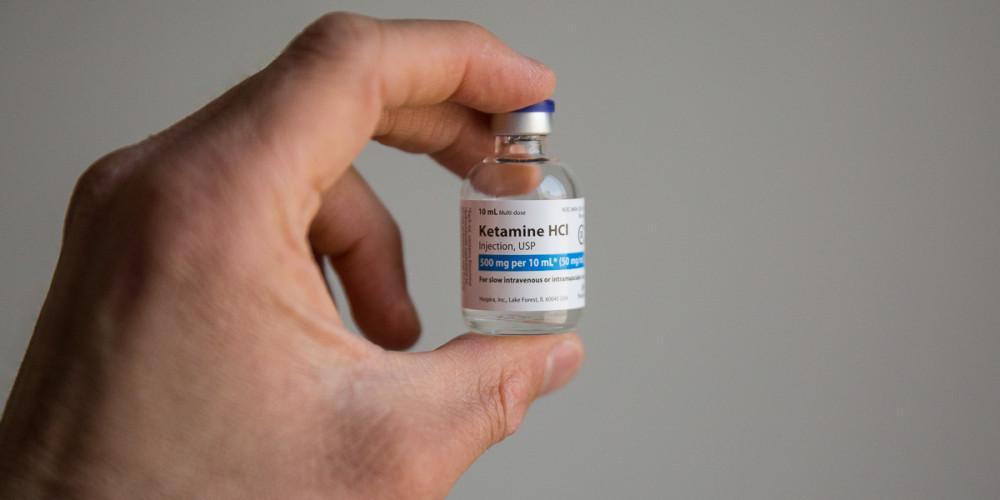
The results of ketamine treatments for mood disorders – including depression, anxiety and PTSD – can be sustained over time through a combination of infusions in a series and maintenance treatments on a periodic basis.
What The Studies Show
There is a significant body of research on ketamine including its uses, results, side effects, and abuse. There is little to no published academic research data, that we are aware of, on the long-term use of ketamine for the treatment of mood disorders. There is, however, anecdotal and clinical data published with long-lasting results that now span about 2 decades.
This is largely true for other antidepressants, where there are often many studies addressing the first weeks and months of a treatment but few reports on use over longer time periods.
Periodic Ketamine Treatments Keep Symptoms at Bay :
The very first ketamine infusion often provides significant symptom reduction lasting a few days. Subsequent infusions result in longer-lasting and greater results. After an initial series of 6 treatments patients may then go multiple weeks between treatments with sustained, significant symptom reduction.
Frequency Of Maintenance Treatments? It Depends
In our experience, it makes sense to have ongoing maintenance treatments roughly every 4 to 6 weeks for an indefinite period of time. We do work, however, to see patients as infrequently as possible.
Some of our patients feel fully recovered after an initial course of treatments and then suspend further treatments pending a re-emergence of negative symptoms. Other patients extend out treatments further and further apart and eventually suspend ketamine treatments. Still others vary the spacing and number of treatments according to how they feel. Response and needs vary from patient to patient and we work with our patients to adjust the frequency accordingly.
When It Makes Sense To Schedule More Treatments :
Many of our patients find that they can taper down their ketamine treatments as their symptoms improve. But even if they eventually suspend treatments, chances are they will want to return for more treatments now and then. There is strong evidence that after a single episode of depression a person has over an 80% chance of having another episode at some point in their lives. For a new depressive episode, or worsening symptoms, it may be appropriate to return for one or more treatments – sometimes for another series of treatments close together.
No Apparent Reduction Of Efficacy Over Time :
Many patients who receive benefit from more traditional psychiatric medications may notice that their troubling mood symptoms start returning after only a few months. This tolerance effect is well-recognized with SSRIs and SNRIs and even atypical anti-depressants and MAOis.
The decrease in effectiveness over time that is so typical with other anti-depressant medications, while possible with ketamine, appears to be rare. Patients can and do develop tolerance to the hallucinogenic effects of ketamine rapidly, but that tolerance also fades rapidly, as well. This means the tolerance does not additively increase over time because of the spacing of periodic maintenance treatments. Patients and their physicians at multiple clinics have continued to see benefit, without a decrease in effectiveness, over multiple years.
Sustained Results: More Good Days Than Bad :
We target sustained results over time, with overall improved symptoms and more good days then bad. We rely, in part, on self-reporting from the patient and feedback from their family and other physicians, as appropriate.
Ketamine keeps working while only being taken once a month or so while the dissociative side effects (feeling like you’re floating and a little nausea and dizziness) are limited to the days of treatment instead of continuous side effects associated with other medications taken daily. Many patients can have symptomatic relief of mood disorders with other medications, but then need to quit those medications anyway due to intolerable side effects. The side effects of ketamine appear to be very limited and mostly contained to the time of the infusion.
Results are generally characterized by a reduction of negative symptoms. We do not typically see a blunting of all feelings or a general sense of numbness. This characteristic response shows, as far as we can tell, that ketamine is actually treating the very symptoms you want to affect instead of simply masking them.