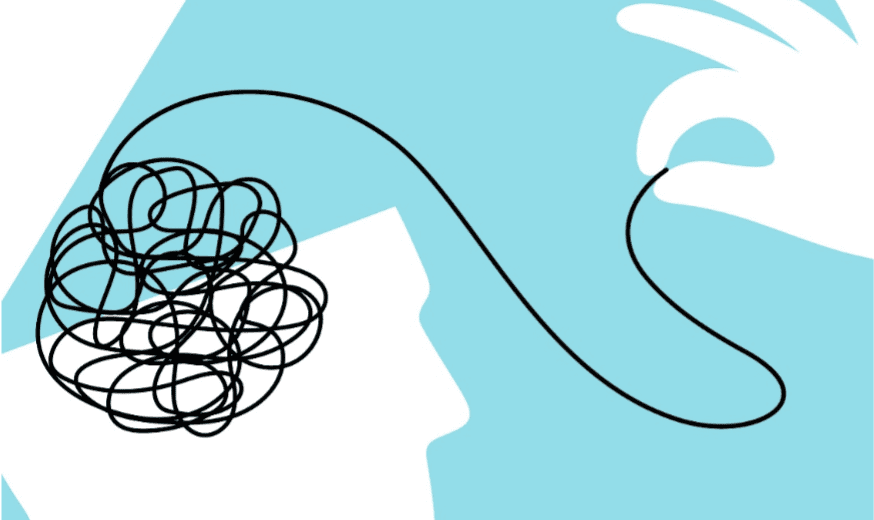
Intense, chronic pain can be debilitating. Many CRPS/RSD patients have lost jobs, friends and family relationships due to their illness. Many have been forced to give up activities they love and most also suffer with anxiety and depression related to their condition. Physicians and researchers are still puzzled by this what causes this disease and how to treat it. There are relatively few treatments that successfully help alleviate the pain.
CRPS/RSD is the shorthand for Complex Regional Pain Syndrome or Reflex Sympathetic Dystrophy. It is a disease of the nervous system characterized by out-sized pain response to an injury. Intense pain will persist when no apparent injury is present. It can be accompanied by physical manifestations to the affected area of the body, including swelling and tenderness.
As of right now, there is no apparent cure – sustained relief can be hard to find. Fortunately, Ketamine can provide fast relief for many patients and an ongoing series of IV infusion treatments can provide sustained relief in many cases.
We don’t entirely know how ketamine infusions help relieve pain for many suffering from CRPS/RSD. The current hypothesis is that the disease is principally neuropathic, or caused by the neurons in the nervous system themselves. Ketamine treatments, it is thought, act on the neurons to reduce self-stimulation and to increase the threshold for sending signals which may be lowered in CRPS/RSD and therefore more signals sent that are below the normal threshold in unaffected people.
The FDA indication for ketamine is for its use as an anesthetic agent. But there are many clinical trials and case studies showing that CRPS/RSD patients experience greatly reduced pain scores after treatment. At Lone Star Infusion, a series of high dose infusions may offer patients a significant reduction of pain symptoms. The goal is pain reduction of 50% or better, although results are different for different patients.
Ketamine probably can’t cure this disease- it is still only a palliative treatment. But the reduction of pain scores from ketamine infusions typically last for weeks to months. With many more good days than bad, patients can start to reclaim their lives, careers, interests, and relationships.
We work with our patients to determine treatments and frequencies that will work best for them. For chronic pain conditions, like CRPS, we often see patients for high-dose infusions on an as-needed basis. Treatment regimens can vary, but a common course of treatments may be two to three treatments to begin with and then one or two treatments every other month to manage symptoms. We work with patients to tailor the treatments to their needs and their response to the treatments.
Sometimes patients will schedule a low dose infusion to see if their pain is responsive to ketamine. This is definitely a more cost-effective option, but most patients will not achieve sustained and dramatic improvements with the shorter infusions. The low dose infusion does frequently help with any concurrent mental health diagnosis that frequently coincide with CRPS/RSD, such as anxiety and depression. Generally, the higher dose and/or the more frequent the infusions, the greater the pain relief and the longer the duration of pain relief. The limiting factor for treating severe and chronic pain conditions is the time, expense, and the safety/side effect profile of ketamine. Ketamine is a general anesthetic at high enough doses.
CRPS/RSD is a terrible condition. Ketamine infusions can be an exceptional option for reducing the pain.
This post was originally published 09/14/2017 and updated 02/12/2025. A version of this post appears on the RSDS.org website: CRPS Awareness Day 7- Ketamine Treatment Information.
An Important Disclaimer:
The information in this and other blog posts represents our informed opinion or the opinion of others, and does not constitute medical advice and should not be relied upon to make decisions regarding medical care. To address the specific details of your medical conditions and treatments please speak with your doctors.