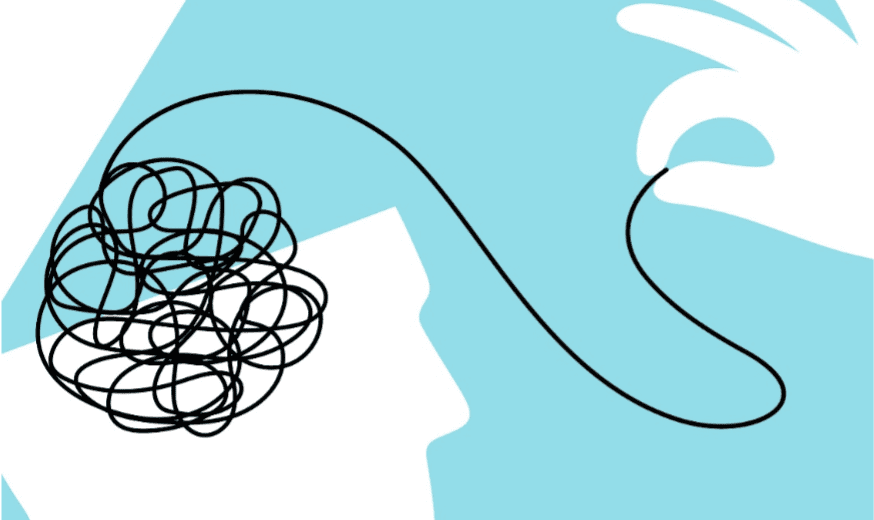

A multidisciplinary approach provides the healing process from Ketamine along with tools to better manage through emotionally stressful situations.
One simple Tool is Distraction. Distraction involves shifting your mindset from the physical sensations of anxiety and anxious thoughts to something else unrelated. (choosingtherapy.com)(1). Remember the Fidgit Spinner?! This ‘new’ development was by no means new. Greek ‘Worry Beads’ or Greek kombolio are thought to have originated in northern Greece near Mount Athos during medieval times from monks who tied knots in strings as prayer beads. To this day, it is not uncommon to see a person in Greece sitting at a coffee shop flipping their worry beads.
There is disagreement in the mental health community about whether Distraction is adaptive or maladaptive. Certainly avoiding or ignoring a situation does not solve it. I remember being told this many times as a child! The answer to the adaptive/maladaptive questions seems to be- It Depends. In real-time situations, severe anxiety can be paralyzing or even lead to destructive behavior. Distracting helps temper the anxiety in those situations, which may lead to a less negative, neutral, or even positive outcomes. However, the long term key is continuing to work through the underlying reasons for anxiety in a proactive manner so that there is less day to day reliance on Distraction. Only relying on Distraction with no awareness or effort toward implementing more effective tools is maladaptive. There is a nice article in the Journal of Psychopathology and Behavioral Assessment (2) that looks at this subject.
So consider using Distraction as a tool while continuing to develop the more effective tools in your toolbox. Therapy for most patients is a key component to this process. As you progress through your journey, some therapist may suggest partial distraction. Instead of doing or thinking of something completely unrelated to the source of anxiety, imagine ways to remove some of the anxiety from the source, per anxiety coach Dave Carbonell, PhD. (Psychology Today)(3). Think of the situation or person in a more humorous manner for example.
Additionally, as Distraction calms the Anxiety, then a person can be in a better place to re-engage the anxious person or situation. Think of the nervous singer on the stage using Tapping just before belting out the first note!
From Tapping, to Worry Beads, there are countless ways to distract and countless sources with recommendations. Find what works best for you during each step of your journey.
Listed below are 17 suggestions from Sandy Boone, LPC on Choosing Therapy.
Move Your Body
Watch a Funny Movie or Video
Try EFT Tapping
Begin a Guided Meditation
Call a Friend
Focus on Breathing
Practice Mindfulness
Listen to Binaural Music
Use Aromatherapy
Count Backwards by a Challenging Number
Play an Instrument
Go for a Drive
Use a Cold Water Bottle in the Middle of Your Forehead
Tak a Hot Bath or Shower
Hug Someone/Physical Touch
Be Creative
Play a Game on Your Phone/Computer
We often recommend a person have a chosen dream, vacation destination, or image always at the ready. When they encounter an anxious situation they have a predetermined mental image for relaxation rather than trying to think of one during the anxious situation. I have seen this work daily in our perioperative settings when treating anxious patients just before surgery. They often wake up more relaxed, less anxious, and are sometimes even able to recount their dream, though they do not remember after fully waking up (Don’t worry, your secrets are safe!… Doctor-Patient Confidentiality).
References:
Choosing Therapy. ChoosingTherapy.com
Journal of Psychopathology and Behavorial Assessment. Wolgast et al. Is Distraction an Adaptive or Maladaptive Strategy for Emotion Regulation? A Person-Oriented Approach
https://www.ncbi.nlm.nih.gov/pmc/articles/PMC5323484/
Psychology Today. Carbnell. Distraction Makes Worry Worse, What Works Better?
https://www.psychologytoday.com/us/blog/anxiety-coach/202104/distraction-makes-worry-worse