How are we supposed to think about an article, like this one below, that posits that depression and anxiety are primarily caused by structural imbalances in the way we live our lives, such as structural problems like being the janitor instead of the CEO:
Here’s What I Suggest:
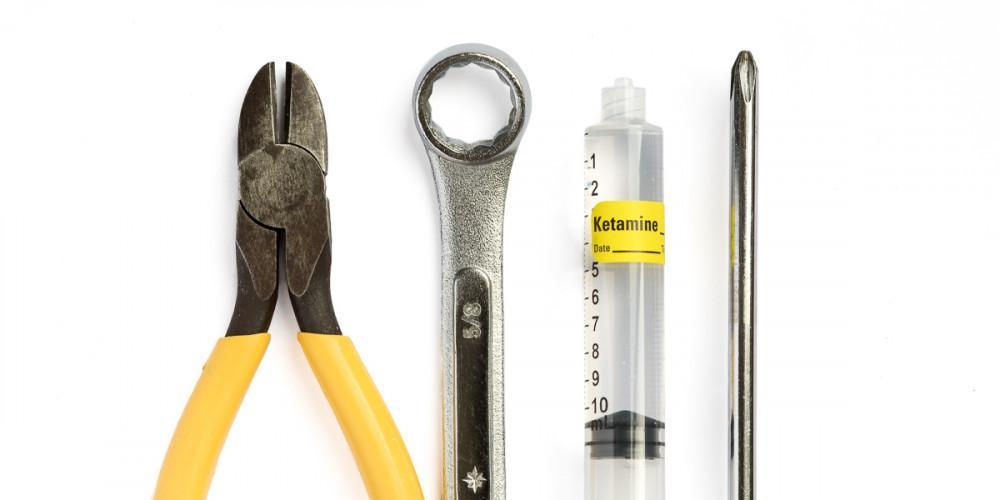
It probably makes sense to approach mental health with a tool box – using multiple approaches including psychotherapy, medication management, medical procedures AND lifestyle modifications. It makes sense to use these as tools that can each add something to your efforts.
The Way You Live Your Life Does Matter:
There are countless articles, and even whole book genres, on how to be happy. We can’t yet agree about what happiness is, or how to get it, but we all work very hard to achieve it. Some of this advice (in books, or articles, or videos, or posts) is total rubbish, but some is good.
Here is a good set of investigations by National Geographic on where and why people are happy:
National Geographic: Quest for Happiness
There are pieces of useful information in investigations like these that we can apply to improving our mental health.
You Can Take Steps In Your Day-to-Day Life To Help Improve Your Mental Health:
We provide our patients with a sheet of paper with some helpful suggestions. We call them “Everyday Mental Health Maintenance Recommendations.” We don’t do this because we think they alone can help everyone, or that ‘it’s all in your head,’ or because we are providing comprehensive psychiatric services. We provide this list because, on balance, they are healthy habits that are likely to help you feel your best.
The suggestions include things like:
- Sleep at least 6-8 hours a night, but not much more than that.
- Spend time outdoors – at least 30 minutes a day, preferably walking.
Here’s the sheet we provide to patients:
Everyday Mental Health Maintenance Recommendations
Doctors, And The Medications And Medical Procedures They May Provide, Can Really Help:
The appropriate practice of medicine is based on the careful examination of the best-available scientific studies and clinical results put in to practice. Medicine is applied science and good doctors are focused on helping their patients get better the best ways they know how, using all resources available.
Getting help from professionals, including psychiatrists (we are not psychiatrists at Lone Star Infusion) and other specialists (we are specialists) is often critically important to effectively dealing with clinical depression and anxiety.
Medical interventions, including prescriptions and procedures, can really help. Sometimes they save people’s lives. Ketamine treatments are one such option that can work extremely well, and is especially effective for acute symptoms including acute suicidality.
Think of A Toolbox:
Our bodies are complex. Our lives are complex. Rarely does a single pill, exercise routine, or other intervention solve a health problem alone.
Think of the options to treat your mental health like a tool box and use the best combination of tools that you have to make the best improvements you can.
Lone Star Infusion
An Important Disclaimer: The information in this and other blog posts represents our informed opinion or the opinion of others, and does not constitute medical advice and should not be relied upon to make decisions regarding medical care. To address the specific details of your medical conditions and treatments please speak with your doctors.