
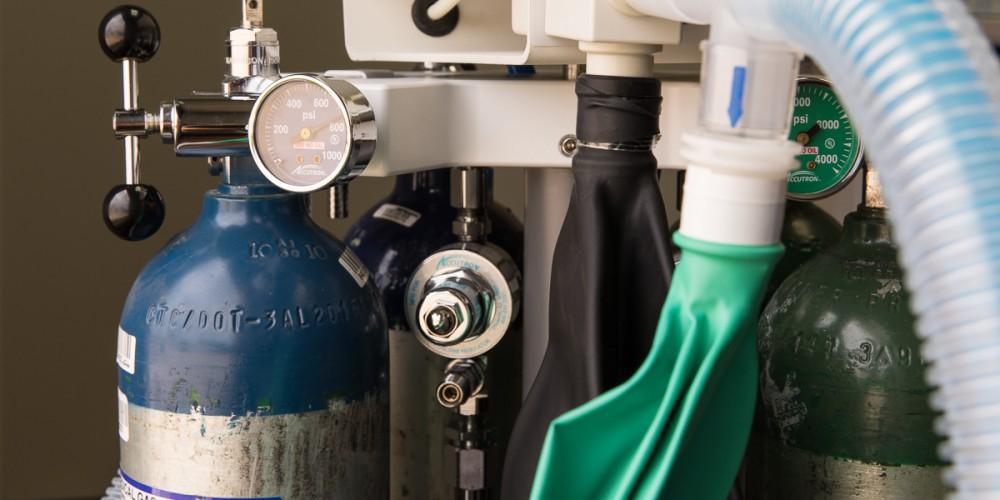
We offer nitrous oxide inhalation treatments.
Similar to ketamine:
Nitrous oxide works on some of the same pathways as ketamine and may be a good option for severe treatment-resistant depression. The nitrous treatment is similar to a ketamine treatment – resting in a comfortable chair to receive the medication for an hour – but uses a soft mask to deliver the gas mixture instead of an IV, and nitrous has less visual and sensation hallucinations than with a ketamine infusion.
We offer nitrous as an alternative to ketamine for patients who can’t stand the IV, or who don’t prefer the experience of ketamine, or who need to drive themselves (after a recovery period, of course).
What it is and how it works:
Nitrous oxide, also called laughing gas, was discovered in 1772. It is a clear gas with a pleasant, sweetish odor and taste. Inhalation of small amounts causes a euphoric affect, and in larger amounts it causes an anesthetic effect. It was quickly adopted, and still used widely, as a safe make option to make dental procedures tolerable. By the 1880s women were using it for pain relief during childbirth – including, famously, Queen Victoria!
Nitrous oxide affects many receptors in the nervous system including, but not limited to: dopamine receptors, alpha-2 adreno-receptors, benzodiazepine receptors, and N-methyl, d-aspartate (NMDA) receptors. NMDA receptor antagonism is also a mechanism of action for ketamine, and is generally theorized to be the most likely mechanism by which ketamine is so effective as treatment for depression – this also explains nitrous oxide’s potent anti-depressant promise.
Efficacy and safety:
There is limited research on the efficacy of nitrous oxide inhalation treatments for depression, however:
- Initial clinical results are promising – with substantial and durable improvements in symptoms
- There should be few, if any, psychoactive side effects during treatment
- Nitrous oxide inhalation has a long history of safe use
- Our clinical results at Lone Star Infusion are comprehensively reviewed and studied
Nitrous oxide is very safe when carefully and thoughtfully administered by a trained professional in a monitored setting with a carefully titrated dose and correct dose spacing and supplementation. However, recreational or “street” use can easily lead to hypoxia and death. With very extreme and prolonged exposures, patients can have difficulty metabolizing vitamin B12 which can lead to anemia and nerve damage – these exposures are far greater than from periodic clinical treatments and we do not expect to see these issues.
We strive to help our patients with the best-available evidence based medicine. We are excited to offer these nitrous oxide treatments. If you are interested in pursuing treatments, please contact us.
Resources:
“Laughing Gas as a Treatment for Depression?” Eugene Rubin, Psychology Today, 2015
An Important Disclaimer: The information in this and other blog posts represents our informed opinion or the opinion of others, and does not constitute medical advice and should not be relied upon to make decisions regarding medical care. To address the specific details of your medical conditions and treatments please speak with your doctors.