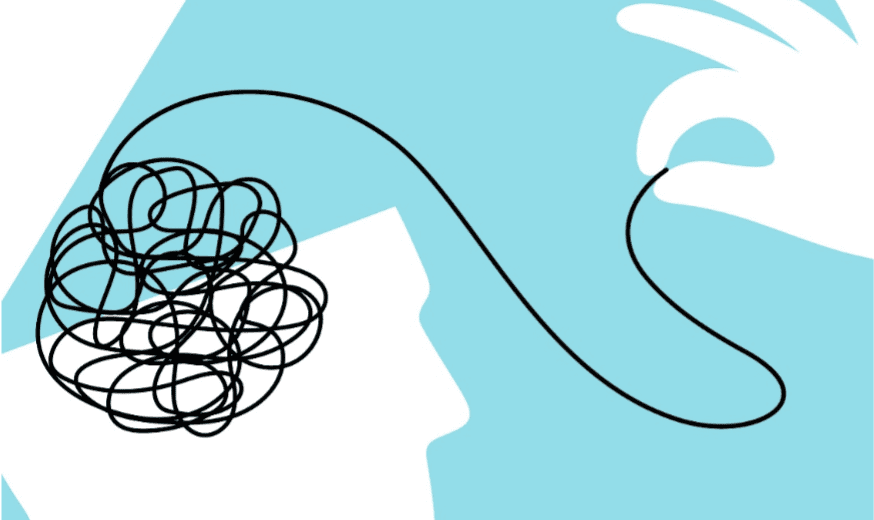

I frequently see this with my patients: Ketamine treatments are often effective for depression and anxiety, but getting better can still take work.
Getting Better:
Ketamine is a fast acting anti-depressant – so unlike typical anti-depressants, patients may have mood improvements even after the first treatment. I see patients come in for a series of treatments and they are miserable at first – with low motivation, will to live, and hope. Within a week they are often seeing changes and starting to regain resiliency in their thoughts and are starting to make plans for the future.
This is where the hard part comes in.
With a broken leg, the injury and the healing is obvious. There is a cast, a 6-week wait, and then physical therapy afterwards. Depression and anxiety patients do not have such obvious outward physical changes as a cast. No one would ever tell a person with a broken leg to go for a run the day the cast is off. But I see the equivalent time and again in my depression and anxiety patients.
Healing from depression and anxiety may involve ketamine treatments – building the biological connections that create mental resiliency. But recovering also involves changing thought patterns and habits.
It is a Process:
Many patients come in to the clinic after one or more treatments and tell me that something unpleasant happened and their first thought was, “Ugh! I’m so stupid -I wish I could die!” only to realize that they didn’t actually feel this way anymore, it was just their old, go-to response; a habit built of so many years of feeling that way. They had to develop other coping skills, other thought patterns.
It may take a few weeks to acquire a habit like exercise or to break a habit like smoking. Developing new habits, with or without professional help, can help break away from old ones. Therapy and counseling can help ketamine patients realize their negative thought patterns and replace them with new more productive thoughts and habits.
Families, often with the best of intentions, will try to keep their loved ones in the same box that they have lived in for so many years – not allowing them to grow and change/recover. Patients may feel stifled and trapped, coerced into following maladaptive behavior and thought patterns by people who don’t know how to allow them to heal.
Or, conversely, and equally as damaging, they will expect them to be “all better” in two weeks and functioning “like normal” (whatever that means!). But, patients may also be told they are “lazy”, “procrastinating”, “not trying” if they don’t immediately “perk up and stop it”. No one would tell a person with a broken leg they were lazy for not going for a run!
It Takes Time:
Depression and anxiety wear down the fabric of existence. By the time most patients find our ketamine clinic, there is already great damage done to their relationships, careers, social supports, hobbies, and even sometimes physical deterioration. Digging out of that hole can be such work and effort that a healthy person would be stressed and overwhelmed to find themselves suddenly in that same situation. Repairing years of damage and reshaping who you are and what you think and convincing others to see the new you and treat you in new ways is hard. If it takes a little longer for you to reclaim your career and relationships than those around you think it should – remind them that a broken leg takes 6 weeks to heal and a broken spirit deserves at least as long.
Choose New Habits:
Here are some healthy habits to help sustain the momentum of ketamine treatments:
- Therapy, incluing group therapy, CBT, DBT
- Practicing consistent sleep hygiene
- Exercising, particularly walking outside and yoga
- Practicing meditation and mindfulness
- Taking vitamins and medications regularly
- Giving up social media and news shows
- Changing the type of TV shows you watch – no more crime dramas and reality TV!
- Posting new thoughts/affirmations all around your environment to reframe your day
- Journaling
- Actively finding ways to make your day more pleasant – like audiobooks or podcasts for long commutes, a comic blog or website to look at other than news, a funny show to watch instead of a sad one, a funny thing to read and share with others instead of a social media feed
- Taking baby steps one at a time to correct career or personal derailment – such as writing gratitude letters, volunteering, taking a class, getting your CV in order
- Getting a pet – even a fish or houseplant
- Reminding yourself that it is ok to not be perfect
- Giving yourself credit for the hard work that you have already done
An Important Disclaimer: The information in this and other blog posts represents our informed opinion or the opinion of others, and does not constitute medical advice and should not be relied upon to make decisions regarding medical care. To address the specific details of your medical conditions and treatments please speak with your doctors.